News
Energy storage: new DGEG procedures in force since 24 October
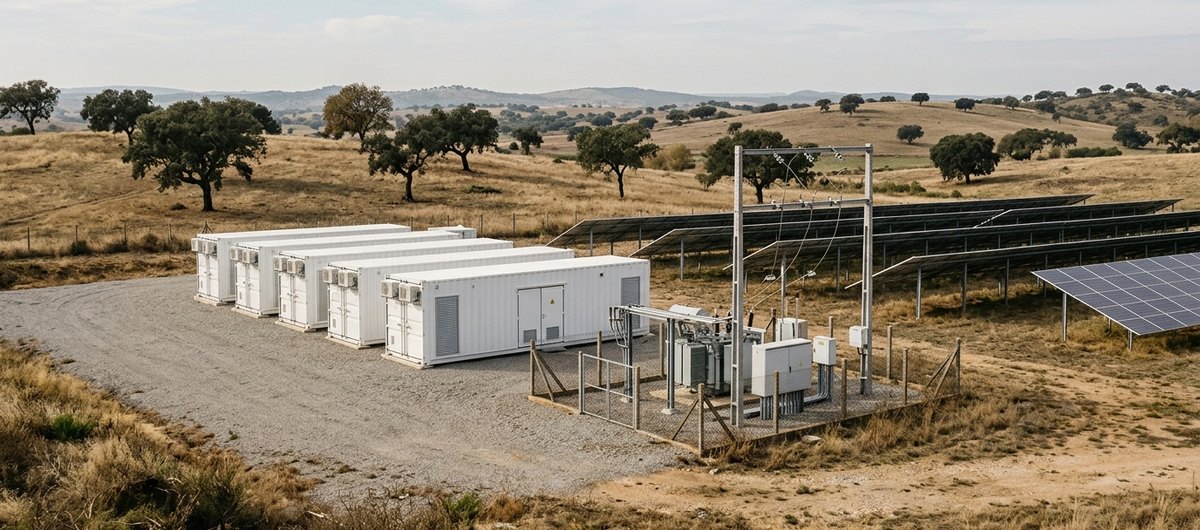
Order No. 12991-A/2026 was published on 23 October and took effect on 24 October. It repeals Order No. 1859/2025 and sets out procedures for standalone energy storage and storage associated with renewable generation plants or self-consumption generation units (UPAC).
The order distinguishes licensing for installations with installed power above 1 MW from prior registration for installations up to and including 1 MW. Projects combining several activities follow a single procedure, the most demanding one covering them all. Prior registration has a prescribed overall limit of three months.
For existing generation plants and UPAC, adding storage without changing existing grid injection capacity constitutes hybridisation and does not require a separate capacity reservation title (TRC). The storage authorisation is recorded on the existing title at the applicant’s request. If injection capacity increases, this rule does not apply: the increase follows Article 18 of Decree-Law No. 15/2022 or, for prior registration, Article 55.
The network operator and the Gestor Global do Sistema Elétrico Nacional (GGS) jointly assess grid charging power, technical conditions and any operating restrictions. In licensing procedures, the opinion is due within 20 days of receiving the request forwarded by DGEG. A request for clarification within the first ten days suspends that period until DGEG replies. Failure to issue the opinion within the applicable period amounts to no objection to the application. The procedure continues under the general technical connection conditions and requirements for storage, without prejudice to the terms of the future connection contract or agreement. DGEG takes the final decision.
Pending applications generally retain their previous framework and priority. Applicants may opt for the new regime, if more favourable, within 30 days of its entry into force. Time limits follow the Portuguese Code of Administrative Procedure: the triggering day, Saturdays, Sundays and public holidays are excluded, with the statutory extension where the relevant office is closed on the final day.
Applications submitted under Article 4 of the previous order follow a specific transition procedure. DGEG must notify applicants within 30 days of the new order taking effect and allow at least 60 days to adapt or withdraw the application. Adapted applications retain their priority and previously submitted documents that remain valid.
Project preparation should identify grid injection power, charging power, capacity in MWh and existing authorisations. The requested maximum apparent power for charging from the grid must not exceed the stated maximum apparent injection power.